

anti fog led mirror
Understanding the Precision of Spirit Level 0.02 mm/m Understanding the Precision of Spirit Level 0 .02 mm/m A spirit level, commonly known as a bubble level, employs a liquid-filled vial with an air bubble. When the level is placed on a surface, the bubble moves within the vial and rests at the highest point, indicating whether the surface is horizontal (level) or vertical (plumb). The measurement of 0.02 mm/m refers to the level’s accuracy, meaning that for every meter of measurement, the maximum allowable deviation from the true horizontal is only 0.02 millimeters. This level of precision is critical in high-stakes environments such as aerospace, aerospace manufacturing, and even in the construction of fine furniture where exact angular relationships are paramount. spirit level 0.02 mm m Why is a 0.02 mm/m accuracy important? In processes such as the construction of high-rise buildings, misalignments of even a few millimeters across large distances can lead to structural failures. For instance, if one floor in a multi-story building is not level, it can cause strain on the structure, leading to cracks over time. Similarly, state-of-the-art machinery used in precision engineering requires perfectly level bases to function correctly. Thus, a spirit level with a tolerance of 0.02 mm/m can help prevent such issues, ensuring safety and durability. When selecting a spirit level, it’s essential not just to consider its accuracy but also its build quality and material. Higher-end levels are often made of durable materials such as aluminum or magnesium, providing both strength and lightness. Features like shock-resistant vials and magnetic bases add to their usability in various working conditions, from construction sites to fine woodworking shops. In conclusion, the 0.02 mm/m spirit level is an indispensable tool for professionals in fields requiring high precision. Its ability to provide near-perfect level measurements can significantly impact the quality and longevity of structures and products. As technology continues to evolve, we can expect further innovations in spirit level design, but the fundamental principle of using a bubble to indicate level remains a celebrated testament to the blend of simplicity and precision in engineering tools. Whether you are a professional engineer or a DIY enthusiast, having a reliable spirit level can elevate your work to new heights of accuracy.
about
anti fog led mirror
Metal vs. Block An In-Depth Comparison in Modern Applications In the ever-evolving realm of materials science, the choice between metal and composite blocks has become a critical topic for engineers and designers alike. Each material comes with its own set of advantages and challenges, which can significantly influence the performance, durability, and cost-effectiveness of a project. Metal vs . Block An In-Depth Comparison in Modern Applications However, metals do come with their downsides. They can be heavy, leading to increased weight in applications where reducing mass is crucial. Additionally, metals are susceptible to corrosion, which can compromise their integrity over time, especially in harsh environments. Engineers often need to consider protective coatings or alloying elements to mitigate these issues, which can add to the cost and complexity of projects. metal v block On the other hand, block materials—often referring to composite blocks—have gained popularity in recent years. Composites, made from a combination of materials such as plastics, fibers, and resins, offer exceptional lightweight properties without sacrificing strength. This characteristic has led to their widespread use in industries like sports equipment, marine applications, and even in some aerospace components. One notable advantage of composite blocks is their resistance to corrosion and environmental degradation. The non-metallic nature of these materials allows them to perform well in scenarios where metals would typically fail, such as exposure to saltwater or chemical environments. Moreover, composites can be engineered to exhibit specific properties tailored to particular applications, providing designers with unparalleled flexibility. However, the use of composite blocks is not without limitations. The manufacturing processes for composites can be more intricate and costly, especially when it comes to ensuring consistent quality and performance. Additionally, the repair of composite materials can be more challenging than traditional metal repairs, necessitating specialized knowledge and techniques. In conclusion, the choice between metal and block materials ultimately hinges on the specific requirements of a project. Metals provide unmatched strength and proven engineering benefits, while composites offer versatility and resistance to environmental challenges. Understanding the unique properties of each material allows engineers to make informed decisions that align with their project goals, ensuring optimal performance and longevity. As advancements continue in both fields, the debate between metal and block will undoubtedly keep evolving, highlighting the importance of innovation in materials science.
-

High quality industrial productsagement

High quality industrial products
View Details -

Meet the diverse needs of customers

Meet the diverse needs of customers
View Details -

Strict quality control

Strict quality control
View Details -

Top raw materials

Top raw materials
View Details -

Trusted supplier

Trusted supplier
View Details
Our application

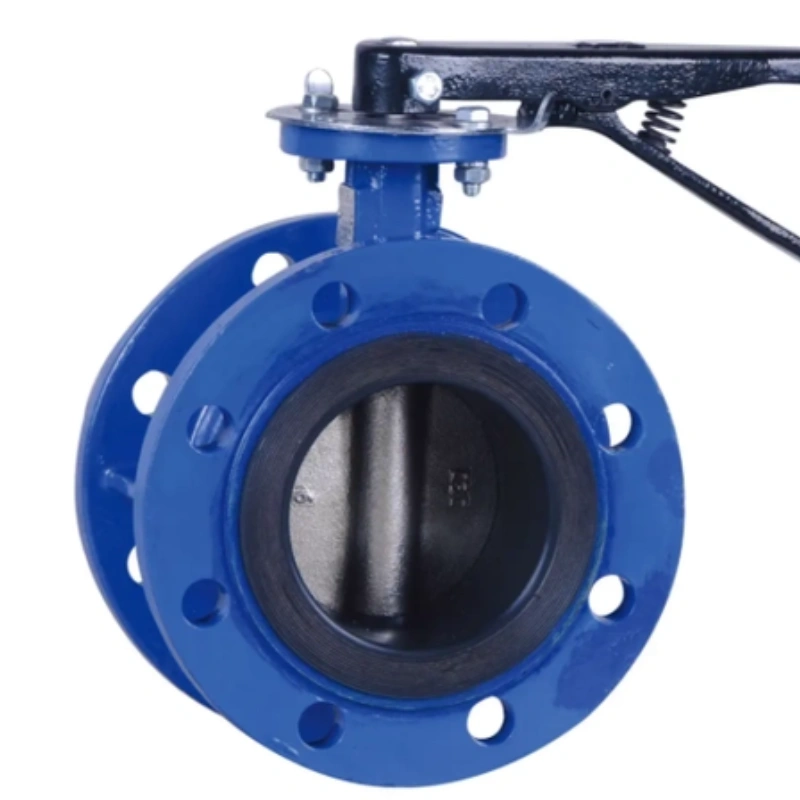

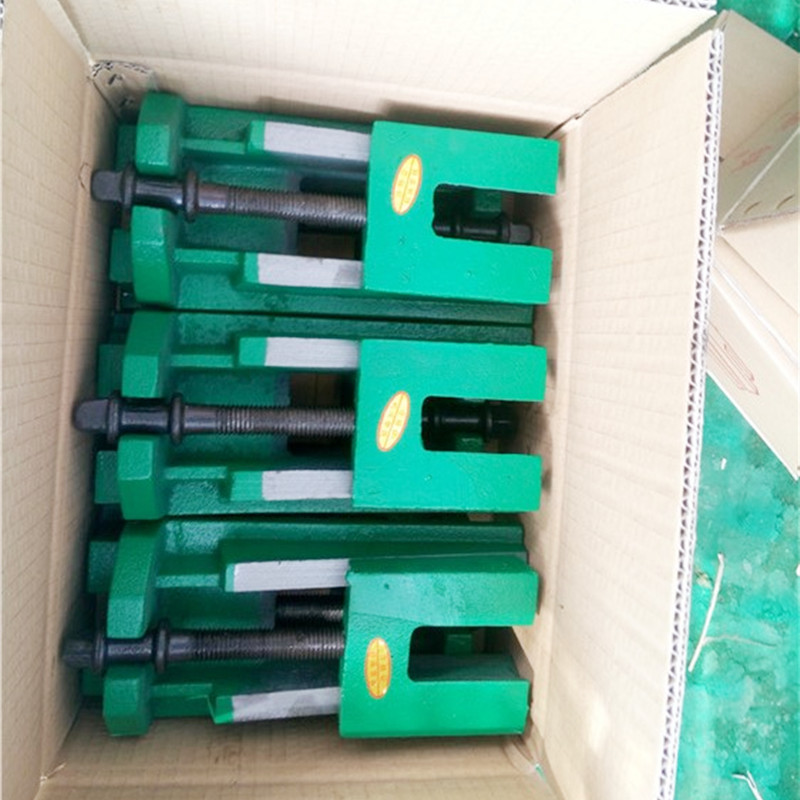
news and information
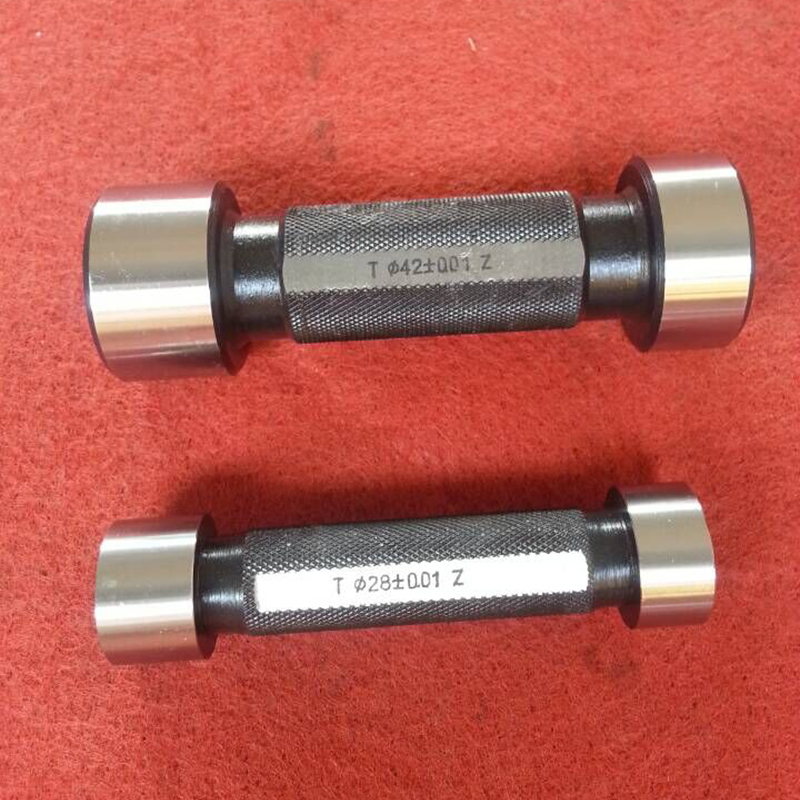
Using a Spirit Level for Accurate Measurement Techniques and Applications
Understanding the Spirit Level and Its Measurements The spirit level, also known as a bubble level,
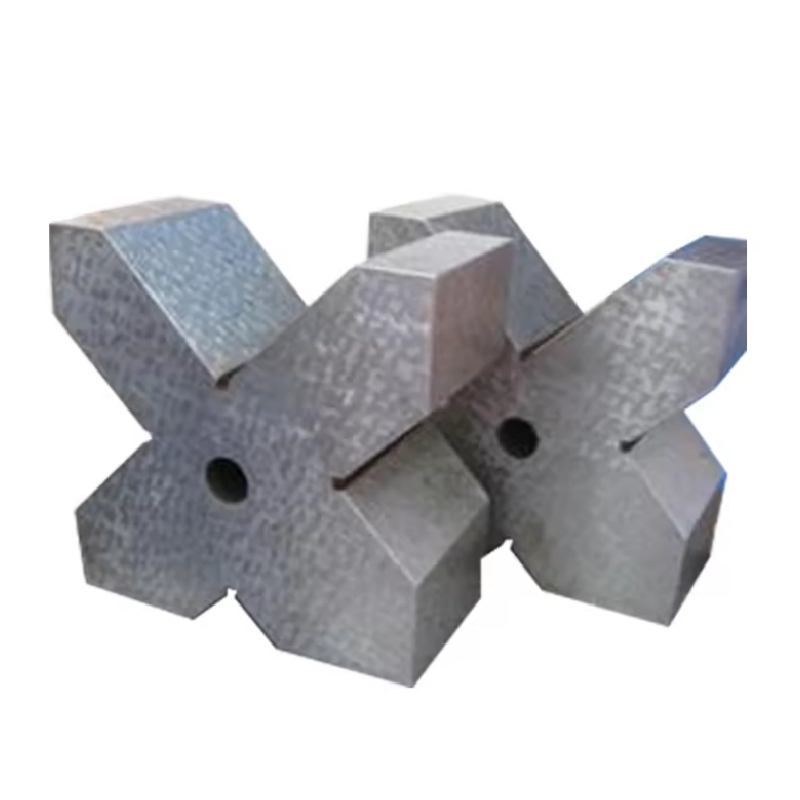
Valvola a sfera da 36 pollici per applicazioni industriali e acquedotti
La valvola a ghigliottina da 36 pollici è un componente fondamentale in molti sistemi industriali e

Valve de 10 pouces
Les vannes à papillon de 10 pouces jouent un rôle crucial dans la gestion des fluides dans divers sy
 English